
Otaku Lifestyle

The word Otaku originated from Japanese, which typically refers to people staying at home all day long, meanwhile addicted to popular cultural forms such as games and anime. While the term used to be deemed as a negative image, its meaning has expanded in the modern globalized context. People within and outside Japan are gradually accepting their affection for their favorite subjects and meanwhile embracing their own identities, willing to acknowledge themselves as “otakus.” Not merely as a component of Japanese subculture (which has been converted to and being absorbed by mainstream culture) and popular culture, otaku has also transformed into a lifestyle where people enjoy manga, anime, and games through various channels.
Magazine has been an essential channel even in the digital era, with people still purchasing entertainment-related magazines in bookstores, convenient stores, merch stores (selling goods グッズ related to anime, manga, etc.) as well as other places. For instance, the manga industry has been dominated by Shounen Jump with hundreds of extremely popular mangas, many of them also adapted into anime and games, published or being published on the magazine. Some projects also release their latest information through magazines, such as the famous music projects Lovelive! and Hypnosis Mic. Therefore, it has also become common practices that people obtain up-to-date information and otaku news through this medium.
I engaged with several volumes of Weekly Shounen Jump and Animage, a magazine focusing on the delivery of information relevant to anime and the otaku culture. While both magazines present the Otaku culture towards the audiences, Jump directly shows the manga content and exclusively focuses on manga, with some of the advertisements or promotional content related to anime and games. And the two suffixes, weekly and otaku, clearly indicate the form and audiences of the magazine: it’s published every week and the target audience is Shounen, namely teenagers.

So there are also monthly jumps and seinen jumps, which are published for young adults, though the distinction between seinen manga and Shounen manga is becoming increasingly obscure. Yet all of them publish manga, a majority of which being black and white. In the form of manga, the text-image ratio really depends on how the author arranges the panel and designs the frames of manga, as well as the specific content and style of the manga or the particular episode. For instance, some Shounen mangas will focus on battles and actions a lot, while others attach more importance to the character’s mental activities, which might need more space for texts.

As mentioned, while Jump puts its primary focus on the presentation of its mangas, some of the promotional content and advertisements are connected with other otaku forms. In this episode, an advertisement of CyGame’s famous web game Grand Blue Fantasy is on the back page. This has also to some extent shown the strong connections among manga, anime, and games that are lying within the otaku culture as a whole.

When it comes to Animage, the magazine primarily focuses on anime, though it covers a wide range of relevant topics from content of the anime, the characters involved, to voice actors who participated in the anime. Considering that anime is not a form that can be directly displayed through paper, the magazine serves as a channel for people to learn more about specific anime and the stories behind.

To include as much information as possible, such as interviews with the producer, newest anime releases, and stories and characters, the literal part evidently exceeds the visual component. Yet, those texts are accompanies with many photos and illustrations.
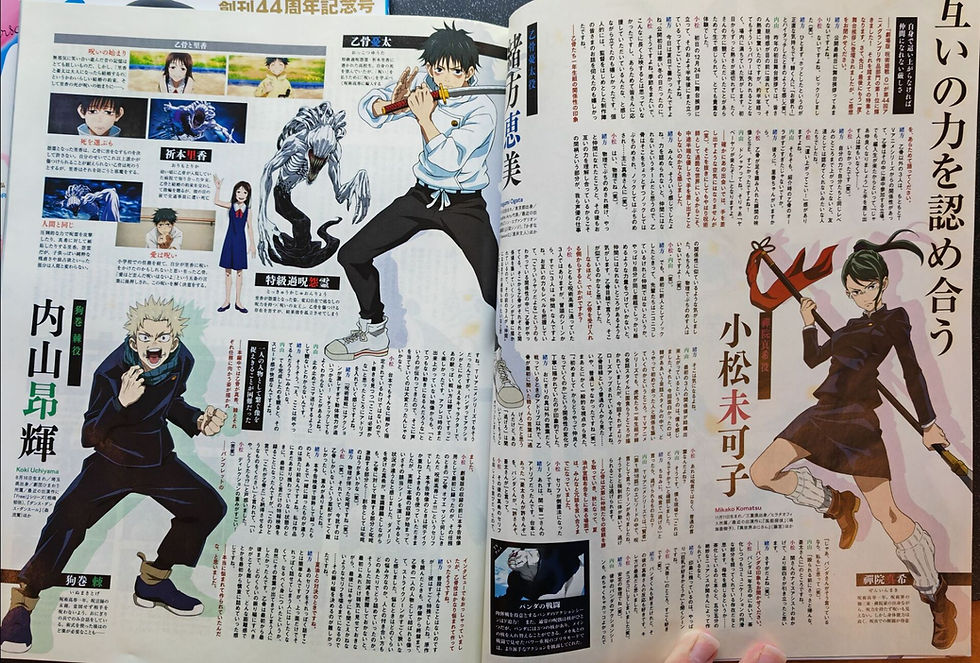
Interestingly, the magazine also covers content concerning some live-action films (often tokusatsu), musical actors related to some adaptations of anime, and entertaining content such as character rankings, and audience-generated content including manga and posts. With a variety of content provided, Japanese audiences, especially those “otakus” (teenagers and young adults), could not just read the content by also engage with the materials actively by submitting their work to the magazine.


With the information, news, and official content released, users of then engage with different categories of content differently based on genre, regions, and other factors. Internationally, Twitter has always been a major platform where people share, communicate, and create. Official accounts distribute content that is attached with a certain hashtag first, and then people interact with the content through the hashtag.
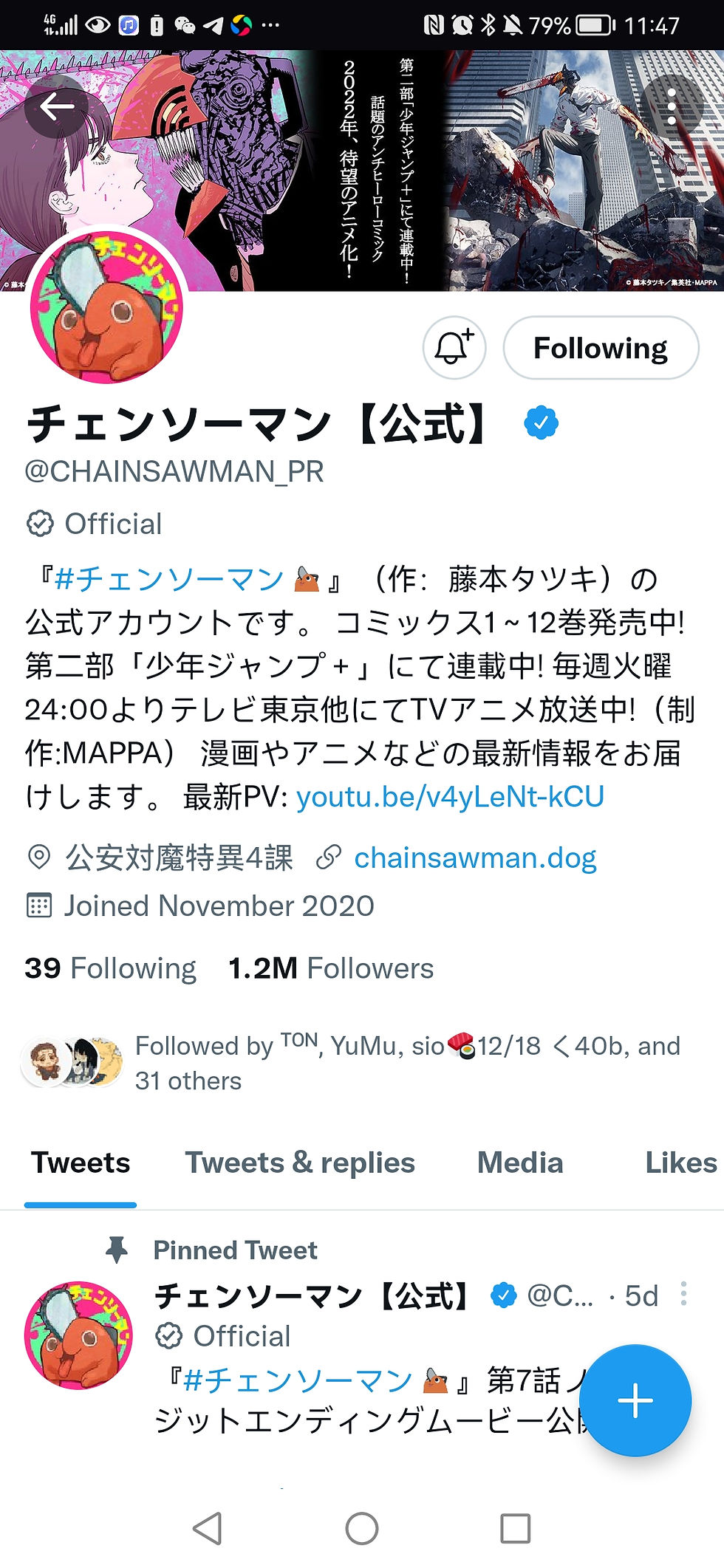

While there exist “normies“ who purely watch the anime or manga without a general knowledge of the entire context or relevant works, many others create or reproduce content based on the original work, a common practice seen in the fandom culture.
Comments